Introduction: Why SMART Goals Matter More Than Ever
In the journey toward personal growth and professional success, having goals isn’t enough — having SMART goals is essential. In a world full of distractions and shifting priorities, the SMART framework offers clarity, direction, and purpose.
Whether you’re striving for career milestones, wellness improvements, or creative ambitions, learning how to set SMART (Specific, Measurable, Achievable, Relevant, Time-bound) goals transforms your dreams into doable action steps. This blog will guide you through why SMART goals are more than just a checklist — they’re a mindset for meaningful progress.
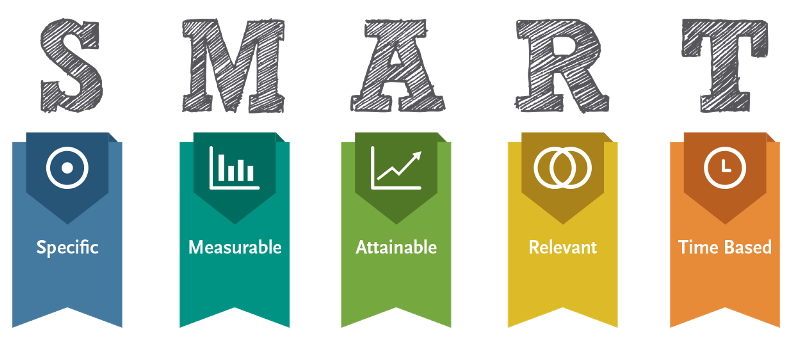
Let’s take a closer look at each component of a SMART goal:
 Specific
A specific goal is one that is clear and well-defined. It answers the questions: What do I want to achieve? Why do I want to achieve it? Who is involved? Where will it take place? When will it happen? For example, a general goal may be to lose weight, but a specific goal would be to lose 10 pounds in 2 months by exercising 3 times a week and eating a balanced diet. The benefits of setting specific goals are that they help us focus our efforts, motivate us to take action, and give us a sense of direction.
Measurable
A measurable goal is one that can be quantified or measured in some way. It answers the question: How much? How many? How will I know when it is accomplished? For example, a measurable goal may be to increase sales by 10% in the next quarter by implementing a new marketing strategy. The benefits of setting measurable goals are that they allow us to track our progress, stay motivated, and celebrate our successes.Attainable
An attainable goal is one that is challenging but within our reach. It answers the question: Is this goal realistic for me? For example, a goal of running a marathon in 3 months may not be attainable for someone who has never run before, but a goal of running a 5K in 3 months may be more realistic. The benefits of setting attainable goals are that they prevent us from feeling overwhelmed or discouraged, help us build confidence, and encourage us to stretch our abilities.Relevant
A relevant goal is one that is meaningful and aligned with our values, interests, and priorities. It answers the question: Why is this goal important to me? For example, a relevant goal may be to improve our public speaking skills because it is essential for our job or personal growth. The benefits of setting relevant goals are that they give us a sense of purpose and direction, increase our motivation, and help us stay committed to our goals.Time-bound
A time-bound goal is one that has a specific deadline or timeline. It answers the question: When will I achieve this goal? For example, a time-bound goal may be to write a book in 6 months by writing 500 words per day. The benefits of setting time-bound goals are that they create a sense of urgency, help us prioritize our time and resources, and prevent us from procrastinating or delaying action.How to set SMART goals
Now that we understand what SMART goals are and why they are important let’s look at the steps involved in setting them:- Identify your overall goal: What do you want to achieve? Why is it important to you?
- Break it down into smaller, specific goals: What are the specific steps you need to take to achieve your overall goal? What are the different aspects of your goal that need to be addressed?
- Make sure each goal is measurable: How will you know when you have achieved each specific goal? What metrics will you use to track progress?
- Ensure that each goal is attainable: Are the goals realistic given your current resources, abilities, and time constraints? Do you have the necessary support, skills, and tools to achieve your goals?
- Make sure each goal is relevant: How does each specific goal align with your values, interests, and priorities? Why is each goal important to you?
- Set deadlines for each goal: When do you want to achieve each specific goal? What is a realistic timeline for each goal?
- Monitor progress and adjust as necessary: Track your progress regularly and make adjustments as necessary. Celebrate your successes along the way!
Benefits of achieving SMART goals
The benefits of achieving SMART goals are numerous and significant. When we set SMART goals, we are more likely to:- Achieve our desired outcomes and objectives
- Improve our motivation and focus
- Enhance our productivity and efficiency
- Reduce stress and overwhelm
- Increase our confidence and self-esteem
- Strengthen our ability to prioritize and make decisions
- Improve our overall sense of purpose and direction
Conclusion
Setting SMART goals is a powerful way to achieve success in any area of our lives. By focusing on Specific, Measurable, Attainable, Relevant, and Time-bound goals, we can create a clear roadmap for our desired outcomes, enhance our motivation and focus, and ultimately achieve our goals. So, what are you waiting for? Start setting SMART goals today and experience the benefits for yourself! At Pure Coaching Vietnam, we believe in helping our clients set SMART goals to achieve their full potential in all areas of life. Contact us today to learn how we can help you realize your dreams!Frequently asked questions – S.M.A.R.T Goal Setting
What if I don’t know what my goals are?
How do I stay motivated to achieve my goals?
What if I don’t achieve my goals within the set timeframe?
Can SMART goals be used in any area of life?
How often should I review my progress toward my SMART goals?
Conclusion: Transform Your Intentions into Achievements with SMART Goals
Success doesn’t happen by chance — it’s a result of strategic intention and consistent action. With the SMART framework, you’re not just setting goals, you’re building a clear roadmap toward your desired future.
By making your goals Specific, Measurable, Achievable, Relevant, and Time-bound, you give yourself the structure needed to stay motivated, track progress, and celebrate milestones along the way.
If you’re ready to stop wishing and start doing, start with a SMART goal today — and unlock the power of clarity, focus, and achievement.


