
Discover how life coaching can support your mental health journey. Learn 6 practical coaching techniques to reduce stress and anxiety, and take control of your well-being starting today.
Introduction: Coaching as a Path to Mental Wellness
In today’s fast-paced world, stress and anxiety are no longer occasional disturbances — they are chronic conditions affecting millions. While therapy and medication remain essential for many, an increasing number of individuals are turning to life coaching as a complementary path to mental wellness.
Unlike therapy, which often focuses on healing past trauma, coaching empowers individuals to move forward with clarity, intention, and strength. It helps reframe mindset, set actionable goals, and build daily habits that support emotional balance.
This article explores six powerful coaching techniques designed to support mental health and help you manage stress and anxiety more effectively.
Stress and anxiety are common experiences for many people. In today’s fast-paced and competitive world, it’s easy to become overwhelmed with responsibilities, deadlines, and expectations. If left unmanaged, stress and anxiety can take a toll on our mental health, leading to negative effects on our overall well-being, relationships, and performance. Fortunately, there are personal coaching techniques that can help individuals effectively manage stress and anxiety. Personal coaching is a form of one-on-one support that focuses on helping individuals set and achieve their personal and professional goals, improve their performance, and enhance their overall well-being. In this article, we will explore some effective personal coaching techniques for managing stress and anxiety.Using the Wheel of Life Tool
Why it matters:
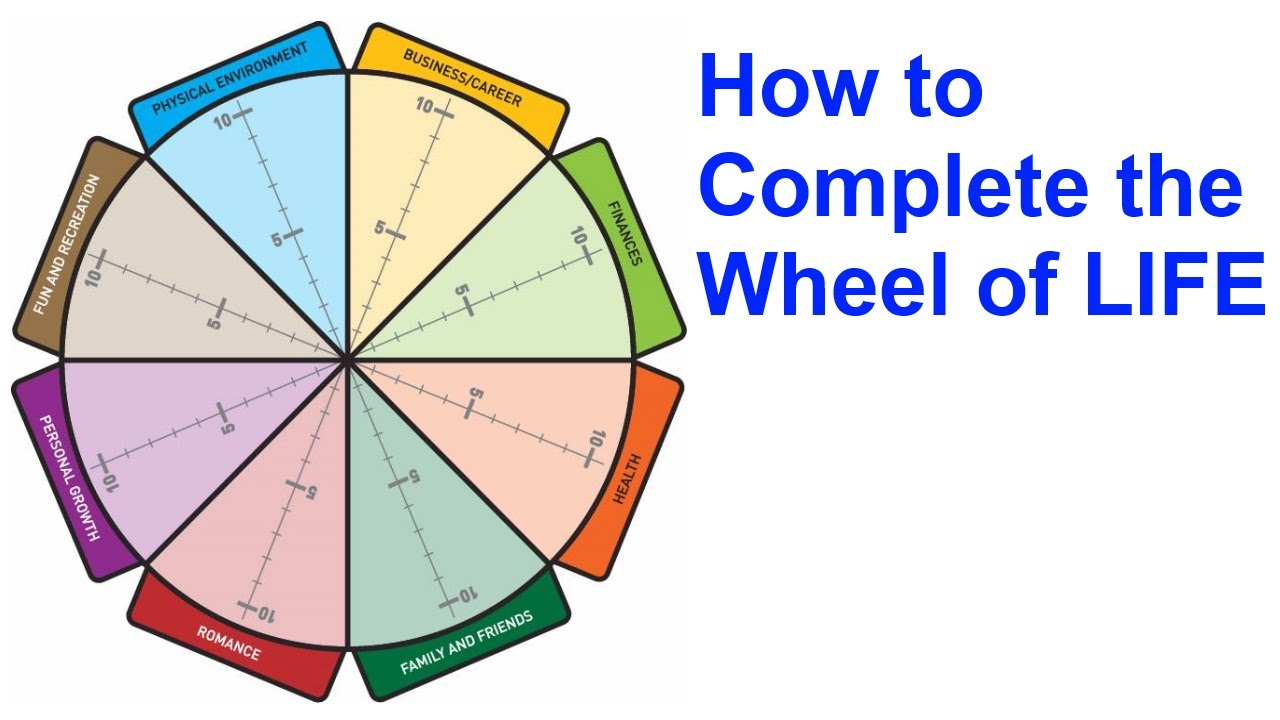
The Wheel of Life is a classic coaching tool that helps you evaluate balance across different life areas — career, health, relationships, finances, etc.
How to use it:
-
Rate each life area on a scale from 1 to 10.
-
Identify which area causes you the most stress.
-
Choose one micro-action to improve it this week (e.g., meal prep to reduce health stress).
Thought Reframing and Mindset Shifts
Why it matters:
Anxious minds often tell stories that are exaggerated or untrue. Coaching works with cognitive reframing to shift limiting beliefs and build empowering ones.
Examples of reframes:
-
From “I always mess up” → “I’m learning and improving with every step.”
-
From “I can’t handle this” → “I’ve overcome hard things before, and I can again.”
Coach’s question:
-
“What would your best self believe about this situation?”
Understanding Stress and Anxiety
Before we dive into the personal coaching techniques, it’s important to understand what stress and anxiety are and how they affect us. Stress is a natural response to challenging or threatening situations. It can motivate us to take action and achieve our goals, but if it’s not managed well, it can become chronic and harmful to our mental and physical health. Anxiety, on the other hand, is a feeling of unease, worry, or fear that can be triggered by specific situations or occur without any apparent reason. It can range from mild to severe, and if left unmanaged, it can lead to a variety of physical and emotional symptoms, including panic attacks, insomnia, irritability, and difficulty concentrating. Stress and anxiety are closely related, and they can feed off each other. Chronic stress can lead to anxiety, and anxiety can make stress more difficult to manage. Therefore, it’s important to recognize the symptoms of both and take action to manage them effectively. In the next section, we will explore some personal coaching techniques that can help individuals manage stress and anxiety effectively.
Personal Coaching Techniques for Managing Stress and Anxiety
Personal coaching techniques can be a powerful way to manage stress and anxiety, and they are often used in 1:1 coaching sessions. Here are some effective techniques that a life coach may use in 1:1 coaching to help individuals manage stress and anxiety:- Active listening: A life coach may use active listening to create a safe and supportive space for individuals to express their feelings and concerns. This can help individuals feel heard and validated, which can reduce stress and anxiety.
- Empathic coaching: A life coach may use empathic coaching to help individuals understand and manage their emotions. This involves acknowledging and validating individuals’ feelings, while also helping them identify patterns and triggers that contribute to stress and anxiety.
- Goal-setting: A life coach may use goal-setting to help individuals identify and work towards specific goals related to managing stress and anxiety. This can provide a sense of direction and purpose, which can be helpful in reducing stress and anxiety.
- Mindfulness coaching: A life coach may use mindfulness coaching to help individuals cultivate present-moment awareness and reduce anxiety-provoking thoughts. This may involve practicing mindfulness meditation or other mindfulness techniques.
- Cognitive behavioral coaching: A life coach may use cognitive behavioral coaching to help individuals identify and change negative thought patterns and behaviors that contribute to stress and anxiety. This can be helpful in reducing anxiety and improving overall well-being.
- Positive psychology coaching: A life coach may use positive psychology coaching to help individuals focus on their strengths and cultivate positive emotions. This can be helpful in promoting resilience and reducing stress and anxiety.
Creating a Personal Anchor or Grounding Practice
Why it matters:
In moments of panic or overwhelm, it’s essential to have a mental “anchor” to bring you back to the present.
Coaching practice:
-
Design your own “grounding script” or mantra (e.g., “I am safe, I am present, I am capable.”)
-
Pair it with a physical gesture like placing your hand on your heart or taking a deep breath.
This method helps regulate your nervous system and build emotional resilience.
Setting Micro Goals for Progress
Why it matters:
Anxiety often comes from feeling overwhelmed by big goals or the unknown future. Coaching breaks this paralysis by chunking goals into bite-sized, doable steps.
How to implement:
-
Choose one small daily habit (e.g., 10-minute walk, hydration, journaling).
-
Celebrate completion — small wins compound over time.
A coach would ask: “What’s one action that feels light, manageable, and supportive right now?”
6 tips to manage your stress and anxiety in daily life
After learning personal coaching techniques for managing stress and anxiety through 1:1 coaching, it’s important to incorporate these techniques into daily life to maintain progress and continue to manage stress and anxiety effectively. Here are some tips for incorporating personal coaching techniques into daily life:
- Set aside time for mindfulness meditation or other mindfulness techniques every day.
- Practice deep breathing exercises regularly, especially during times of stress.
- Incorporate positive self-talk and affirmations into daily routines.
- Use visualization techniques to reduce anxiety and promote relaxation.
- Incorporate gratitude practices into daily routines.
- Keep a journal to track progress and identify areas for improvement.
Coaching vs Therapy: What’s the Difference?
It’s important to recognize that life coaching is not therapy. Coaches do not diagnose or treat mental illness. However, for individuals with mild to moderate stress and anxiety, coaching can be a highly effective support system.
In some cases, coaching works best in partnership with therapy, especially when you’re ready to take action and need an accountability partner who keeps you focused on growth and forward momentum.
Choose Coaching for Emotional Empowerment
Mental health isn’t just about eliminating problems — it’s about building tools to thrive. With the right mindset and strategies, you can move from surviving to flourishing.
Life coaching offers you a supportive space to reconnect with yourself, clarify what matters most, and build a daily life that supports calm, confidence, and meaning.
Personal coaching techniques can be a powerful tool for managing stress and anxiety. Through 1:1 coaching, individuals can learn techniques such as active listening, empathic coaching, goal-setting, mindfulness coaching, cognitive behavioral coaching, and positive psychology coaching to help manage stress and anxiety effectively. By incorporating these techniques into daily life, individuals can prioritize their mental health and well-being and lead a more fulfilling and peaceful life. Remember, managing stress and anxiety is an ongoing process, and seeking professional help from a licensed therapist or counselor can also be a helpful step in managing stress and anxiety.Remember: You are not your stress. You are the one choosing how to respond to it.


